Lamps & Lighting

Frequently Asked Lamps & Lighting Questions

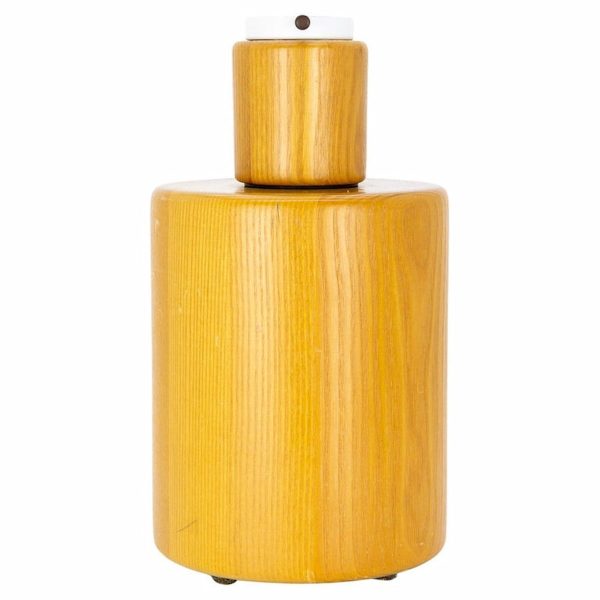
The dominant materials are brass, teak, ceramic, enameled steel, and early plastics like Bakelite and fiberglass on shades. Higher-end table lamps often feature hand-thrown ceramic bodies by American studios, while Italian floor lamps frequently use polished chrome and colored glass. Shades were typically burlap, linen, or paper over a wire frame, and many original shades survive if they have been kept out of direct sunlight.

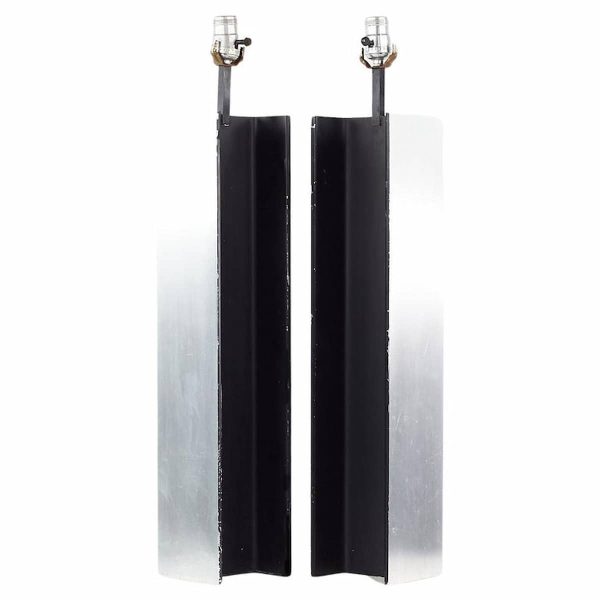
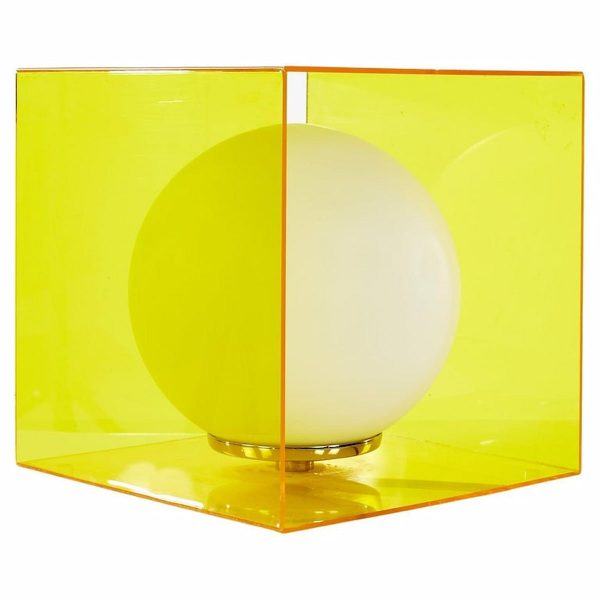
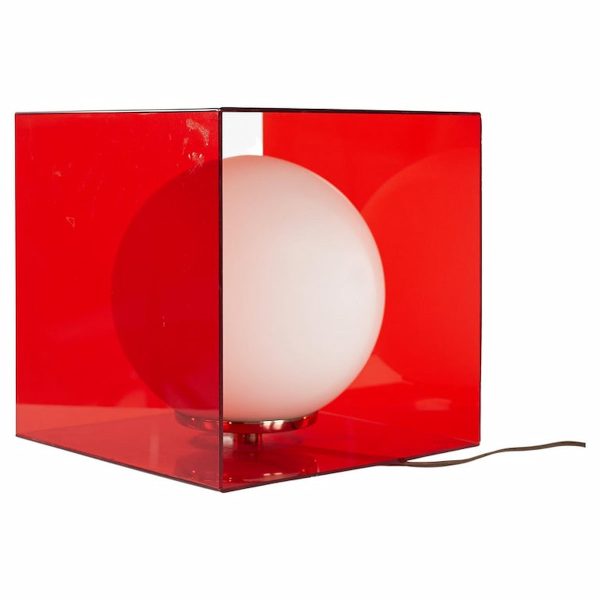
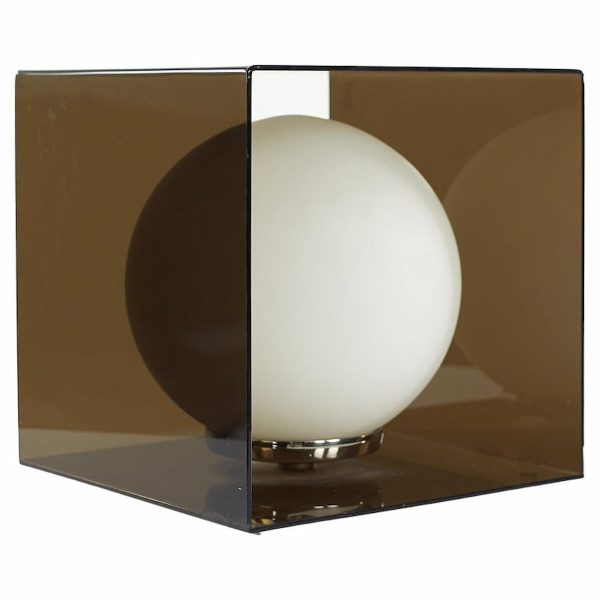
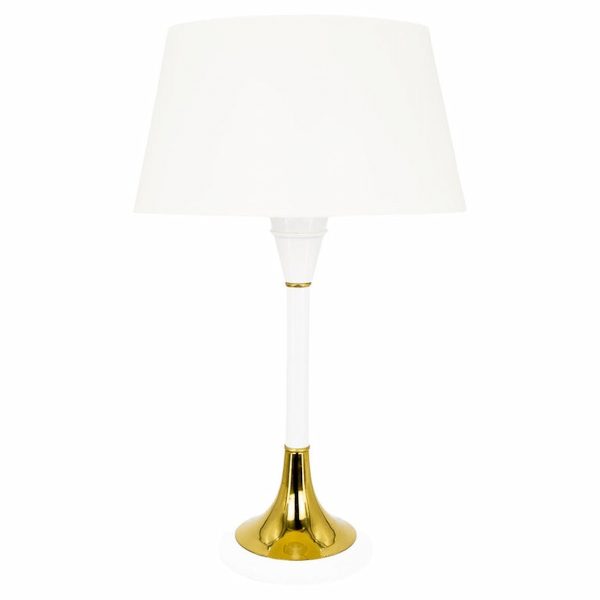
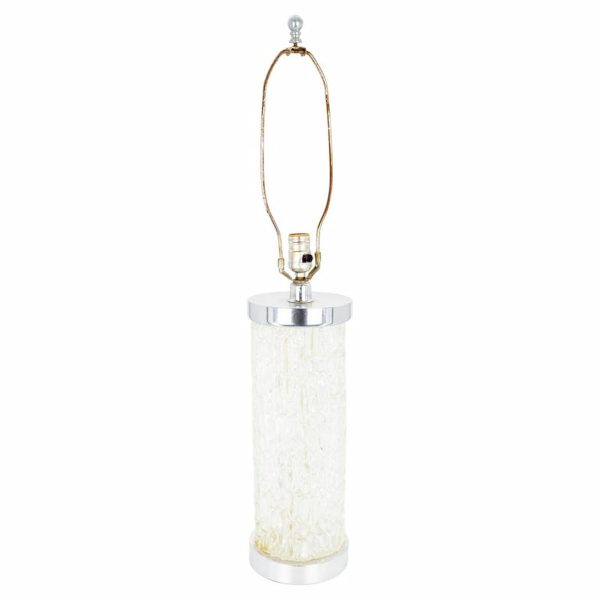
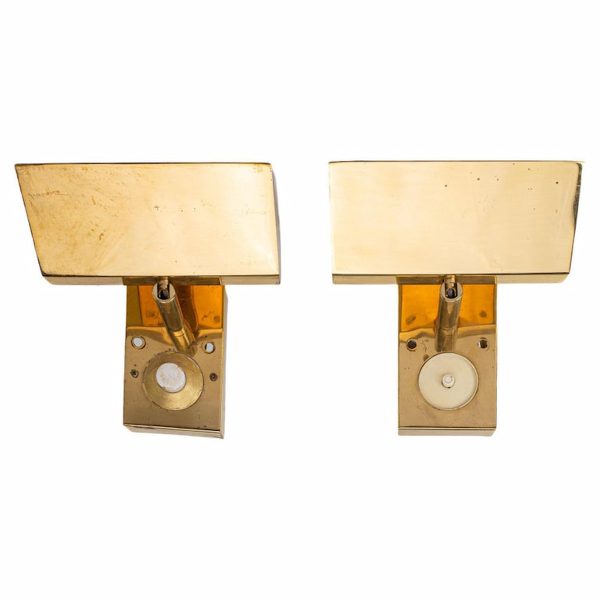
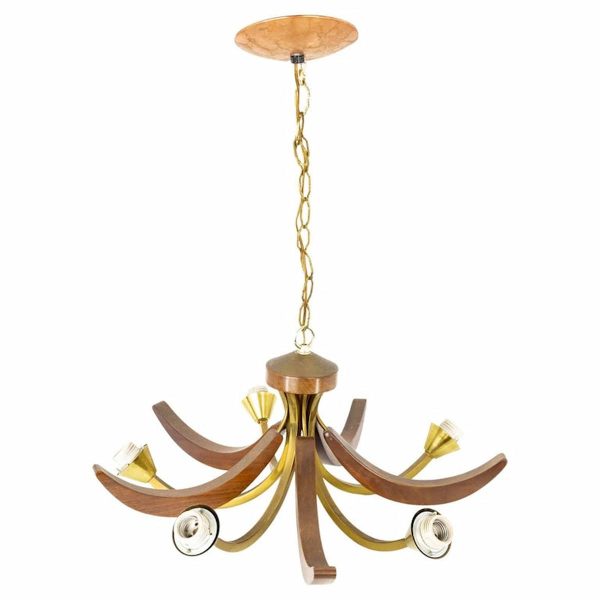
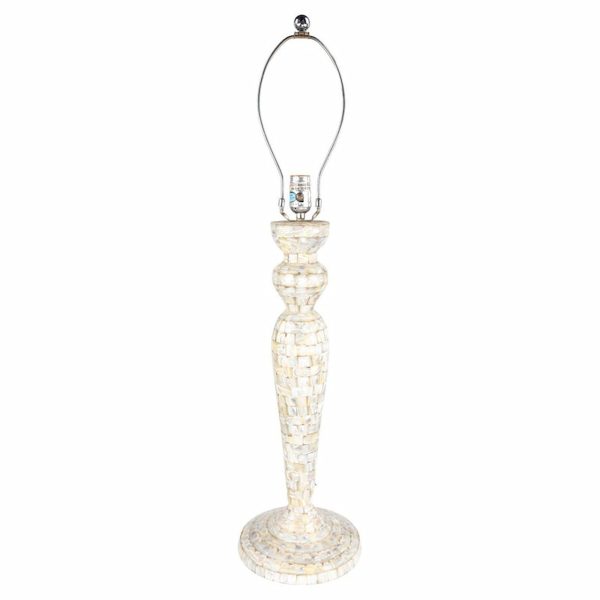
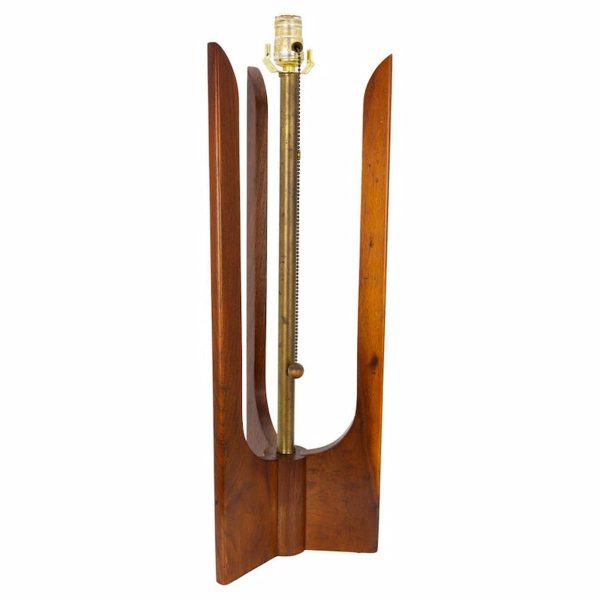
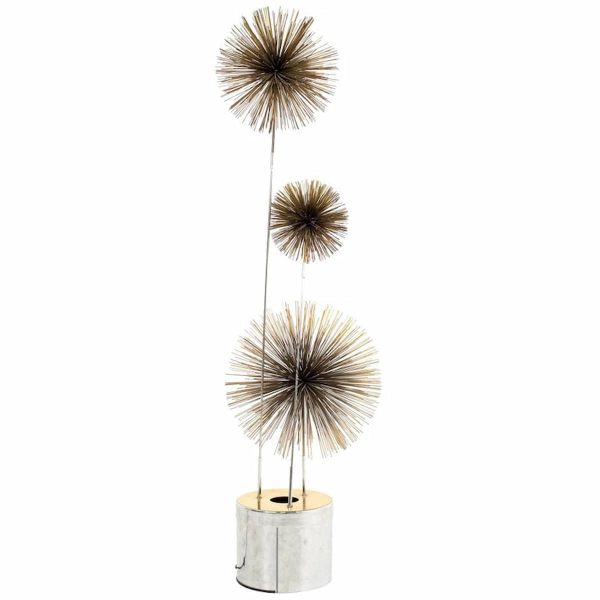
Yes to all three. Our inventory spans floor lamps (including brass arc lamps and sculptural walnut designs from Modeline and Robert Sonneman), table lamps (studio-pottery ceramic from Jane and Gordon Martz for Marshall Studios, brass from Gerald Thurston for Stiffel, and sculptural brass and walnut from Laurel), sconces, pendants (including Le Klint Danish paper pendants and Italian Murano glass fixtures), and ceiling fixtures including brutalist chandeliers from Tom Greene for Feldman and bubble-style pendant lamps. Use the filters on this page or contact us with a specific designer, manufacturer, or configuration in mind and we will point you to the closest match in current stock.

Yes. Every lamp at Modern Hill is tested and rewired to current U.S. electrical code before shipment, with new cords, sockets, and switches installed where the originals are worn or unsafe. Original shades are retained whenever they are sound. This is standard on every lamp we sell, not an optional add-on. If you prefer to keep original wiring for collector reasons, contact us before purchase and we can accommodate that request.

Among European designers: Gino Sarfatti (Italian), Tapio Wirkkala for Idman (Finnish), Gaetano Sciolari (Italian, also produced for Lightolier), and Carlo Nason (Murano glass) are top of the collector market. Among American makers: Jane and Gordon Martz for Marshall Studios is the go-to for hand-thrown studio pottery lamps, Gerald Thurston for Stiffel for refined brass table lamps, Laurel and Laurel Lamp Company for sculptural brass and walnut production, and Tom Greene for Feldman for brutalist brass chandeliers. Studio-pottery ceramic lamps from American ceramicists have become increasingly collectible as the movement gains scholarly recognition.