RESTORATION AVAILABLE
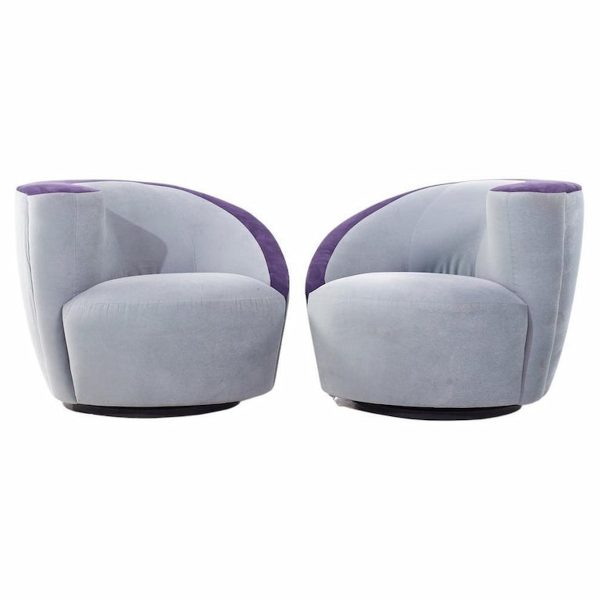
Weiman Nautilus Postmodern Swivel Chairs - Pair
RESTORATION AVAILABLE
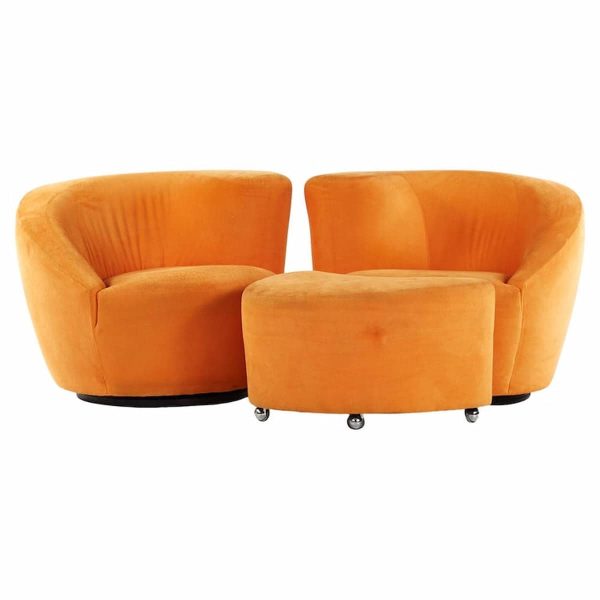
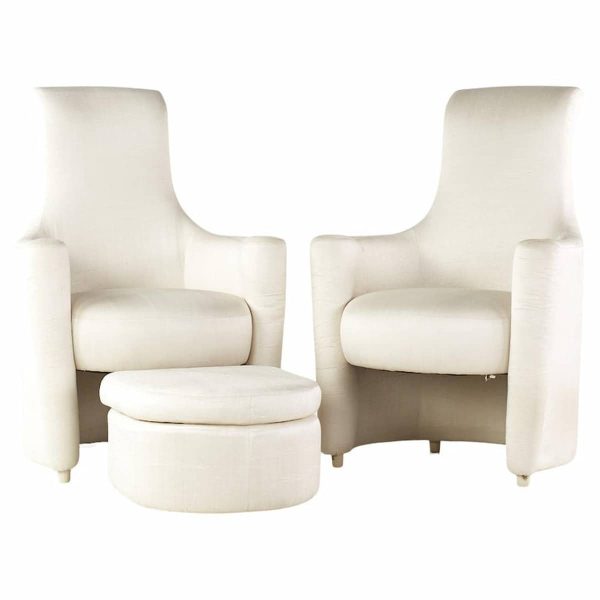
Vladimir Kagan for Directional Mid Century Lounge Chairs with Ottoman - Pair
RESTORATION AVAILABLE
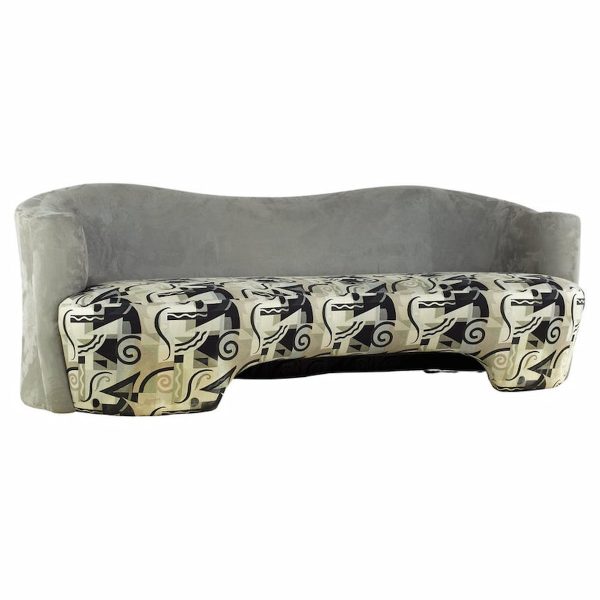
Vladimir Kagan Style Weiman Mid Century Sculptural Curved Sofa
VINTAGE
AS-IS
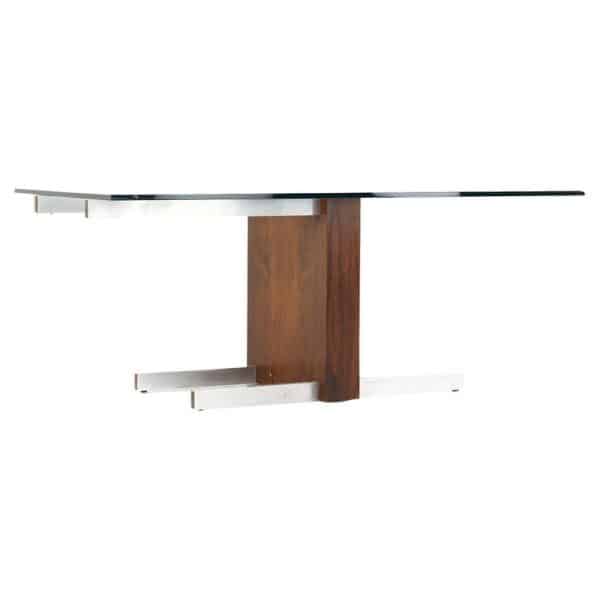
Vladimir Kagan Mid Century Cubist Dining Table
RESTORATION AVAILABLE
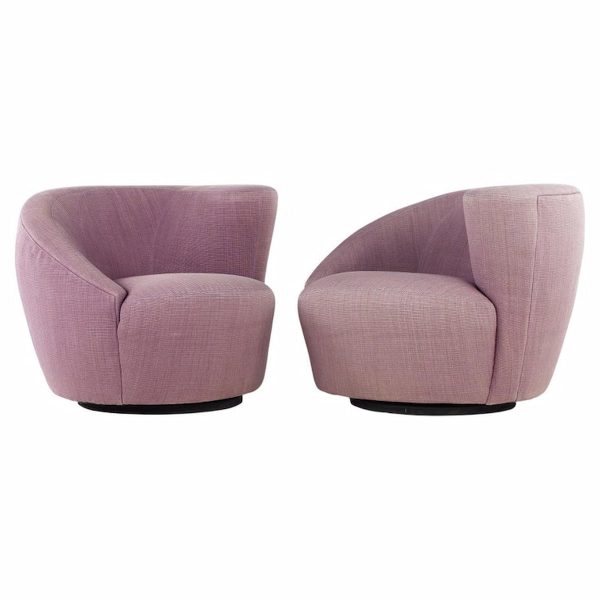
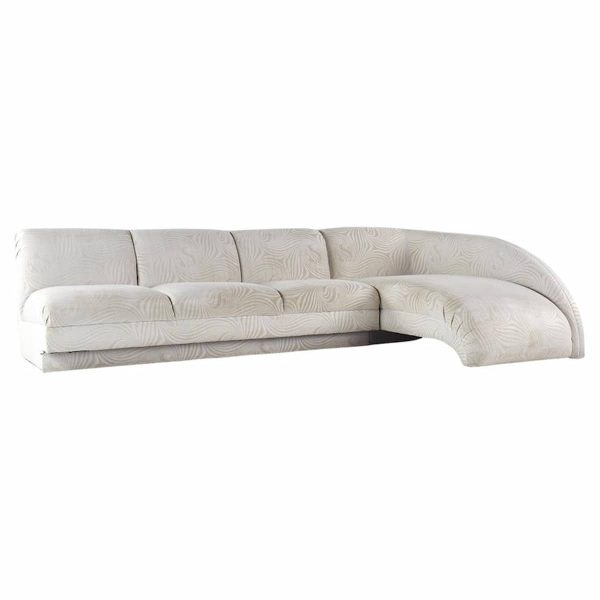
Vladimir Kagan Style Mid Century Preview Sectional Sofa with Chaise
In furniture, postmodern refers to design from roughly the late 1960s through the 1980s that broke from mid century modern’s disciplined geometry and tapered-leg restraint. Postmodern furniture introduces biomorphic curves, contradictory forms, mixed materials like lucite paired with sculpted wood, and pieces designed to function as sculptural objects as much as seating or storage. Vladimir Kagan’s curvilinear sofas and Pace Collection’s lucite-base lounges are textbook examples.
Postmodern furniture typically features curved, sculptural silhouettes (kidney-shaped sofas, barrel swivel chairs, biomorphic chaises), unexpected material combinations (lucite bases, polished chrome, oversized sculpted walnut), bold lacquer colors, and proportions that feel deliberately exaggerated or asymmetric. Vladimir Kagan’s Nautilus and Bilbao series, and Weiman’s Targa and Preview lines, are the most commonly recognized examples of the style.
Mid century modern furniture favors restraint: clean tapered legs, balanced proportion, natural wood grain, and a monochromatic or low-contrast palette. Postmodern furniture leans into the opposite: curved or biomorphic forms, deliberate contrast, mixed and unconventional materials, and silhouettes that read as conversational rather than disciplined. The two styles share a roughly 1960s through 1970s transition window where designers like Vladimir Kagan worked across both vocabularies.